

**Winter Clothing Can Affect How Safety Gear Works, Tests Suggest**
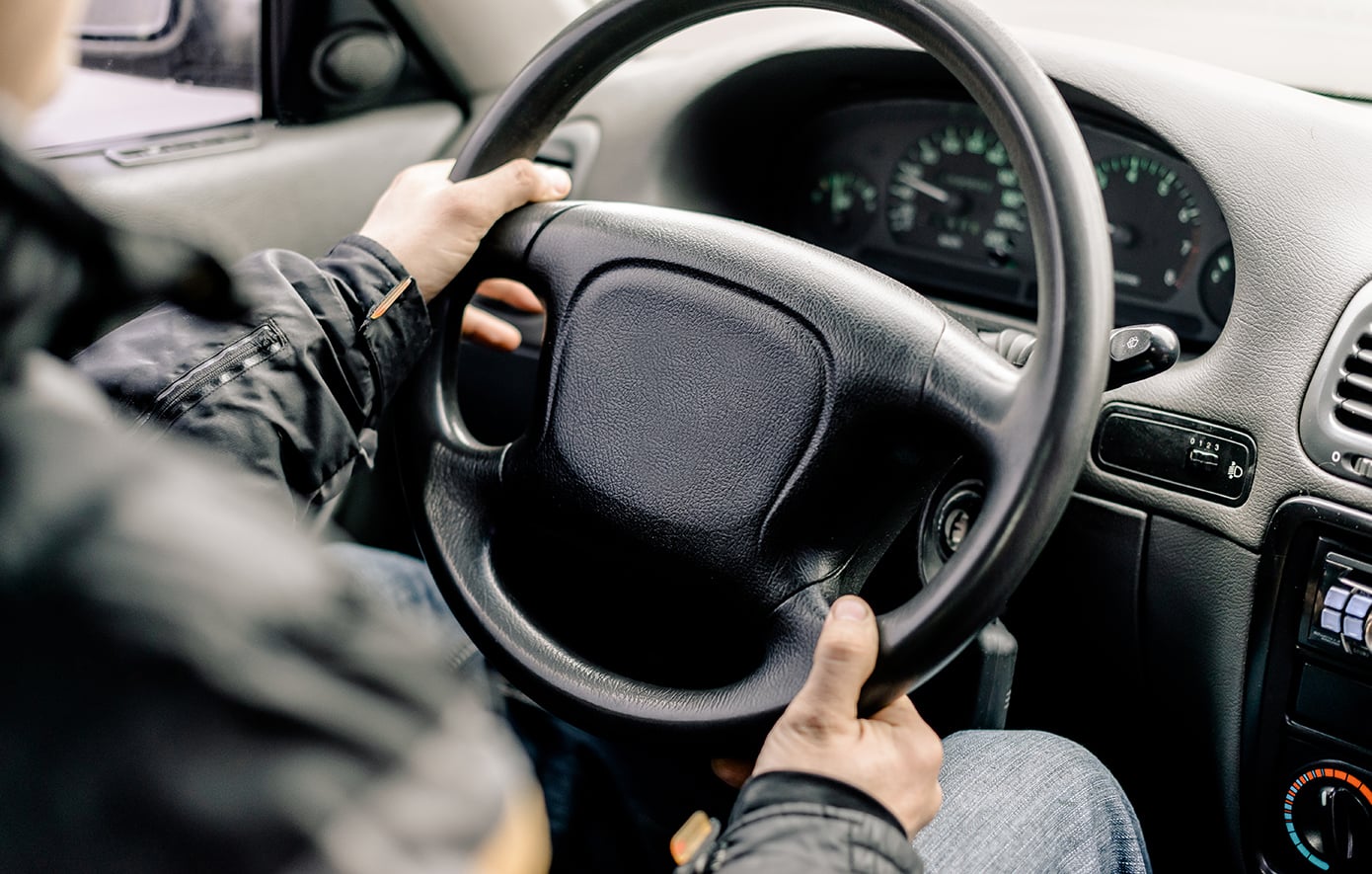
When temperatures drop, people often bundle up before getting into a vehicle. Recent evaluations indicate that bulky outerwear may interfere with how protective equipment fits, potentially reducing its effectiveness in sudden stops or low-speed incidents.
In controlled scenarios simulating common road situations, experts observed that thick layers can create gaps between the body and the restraint system. Instead of resting in the intended position, the device may shift upward, concentrating pressure on softer areas rather than sturdier structures. This misalignment can occur even during sharp braking, not just in collisions.
Special attention is advised for younger passengers. The restraint should ideally sit low and snug, making direct contact with the body. If heavy clothing is necessary, adjusting the fit or repositioning the layer after fastening may help maintain proper placement.
Beyond coats, other seasonal accessories can also pose challenges. Headwear or neckwear might limit visibility, while certain hand coverings could reduce grip sensitivity. Footwear with thick soles or oversized profiles may further complicate pedal control.
To reduce these risks, mobility clubs recommend pre-warming the cabin when possible and removing or loosening bulky items before setting off. Alternatively, wearing lighter, flexible layers inside the vehicle can help maintain both comfort and control without compromising safety.